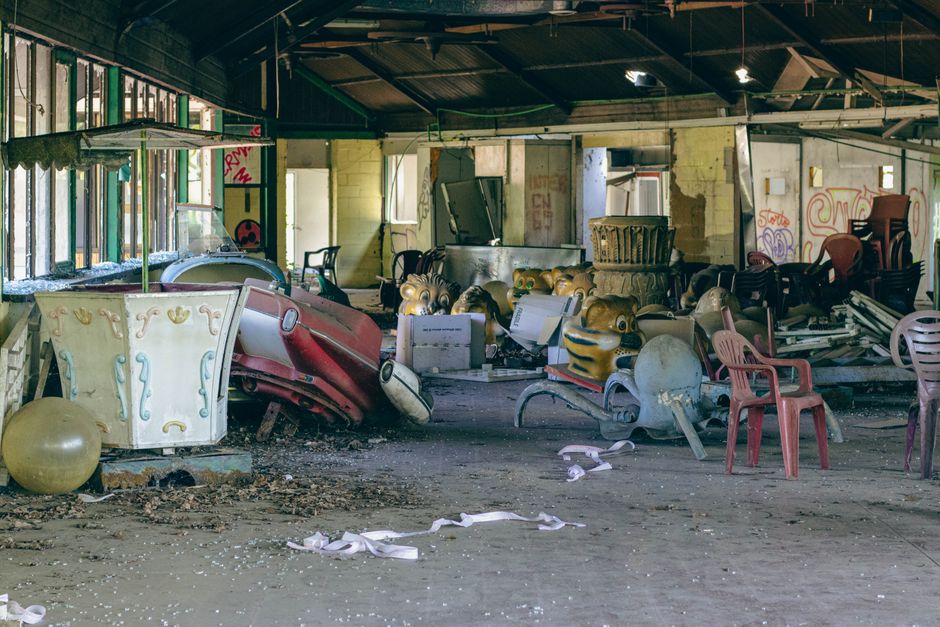
Thorpe Park after event cleaning for venues in Surrey
When the lights go down and the last guest heads out, the real work begins. Thorpe Park after event cleaning for venues in Surrey is the part most people do not see, but venue managers feel it immediately: sticky floors, overflowing bins, scuffed entrances, tired carpets, bathrooms that need a proper reset, and outdoor areas that look like they have done a full marathon. It is not just about making things look tidy again. It is about getting a venue back to a safe, presentable, usable state without losing hours, staff energy, or the next day's bookings.
If you are running a venue near Surrey or managing a space that hosts large visitor numbers, this guide walks through what after-event cleaning involves, why it matters, how it works, and what to look for in a reliable cleaning approach. There is a practical side to it, of course, but also a reputational one. One bad morning after a big event can undo all the careful planning from the night before. Let's face it, nobody wants that first impression.
Along the way, you will also see where related services such as deep cleaning, carpet cleaning, upholstery cleaning, and window cleaning can support a venue reset after a busy event day.
Table of contents
- Why it matters
- How it works
- Key benefits and practical advantages
- Who needs this and when it makes sense
- Step-by-step guidance
- Expert tips for better results
- Common mistakes to avoid
- Tools, resources and recommendations
- Law, compliance, standards, or best practice
- Options, methods, or comparison table
- Case study or real-world example
- Practical checklist
- Conclusion
- Frequently asked questions
Why Thorpe Park after event cleaning for venues in Surrey Matters
After-event cleaning is one of those jobs that only seems simple from a distance. In reality, venues around Surrey that host large crowds, launches, functions, private hire events, corporate days, or seasonal experiences often need a fast, structured cleanup the moment guests leave. Surfaces are touched hundreds of times, drinks spill in odd corners, rubbish gets hidden under tables, and hard floors pick up everything from grit to food residue. By the time the venue is empty, the place can look calm while quietly being in rough shape.
That is why a proper reset matters. It protects the venue, reduces slip hazards, helps preserve fixtures and finishes, and gets the space ready for the next use without a scramble at 7 a.m. the next day. In venues with heavy footfall, even small issues multiply quickly. A missed spill becomes a stain. A skipped toilet becomes a complaint. A neglected bin area becomes a smell problem. Simple, really, but easy to underestimate.
For Surrey venues, there is also a local practicality to think about. Transport access, tight turnaround windows, staff availability, and weather all shape how cleaning needs to happen. A damp evening can mean wet thresholds and muddy entrances. A summer event may leave dust, fingerprints, and outdoor litter all over patios and walkways. If your venue has outdoor guest areas, related services like patio cleaning and hard floor cleaning can be the difference between "back to normal" and "almost there".
How Thorpe Park after event cleaning for venues in Surrey Works
The best after-event cleaning is planned before the event even starts. That may sound a bit obvious, but it is often where venues save the most time. Instead of treating cleaning as a final afterthought, the workflow is mapped around the event schedule, the venue layout, and the expected mess zones. Then the cleaning team can move through the building in a sensible order, rather than wandering around trying to guess where the trouble spots are. Not glamorous, but effective.
A typical process begins with a walkthrough or briefing. The cleaning lead identifies high-traffic areas, back-of-house spaces, toilets, entrances, loading points, and any delicate surfaces that need special attention. Then the team tackles waste removal first, followed by surface cleaning, sanitising, floor care, and spot treatment on things like carpets, chairs, and upholstery. If the event included food service or drinks, the kitchen, bar, and serving areas usually need extra detail. Sometimes the venue also needs a light external refresh, especially if people have been moving in and out all evening.
For more intensive resets, venues often benefit from a one-off cleaning approach or a deeper programme that includes after builders cleaning-style detail work for stubborn dust, residue, or post-installation mess. It is not the same type of job, of course, but the same principle applies: clean systematically, not emotionally. Start with the biggest source of contamination and work down to the finishing touches.
A good team will also protect the venue during the clean. That means using the right cloths and mop heads for different areas, separating chemicals where needed, and avoiding cross-contamination between washrooms, food areas, and guest spaces. If the venue has specialist finishes, such as rugs, soft seating, or polished stone, the method has to change accordingly. One size fits all? Not really. That is where a lot of poor results begin.
Key Benefits and Practical Advantages
The obvious benefit is cleanliness. The less obvious benefit is control. A well-run after-event clean gives venue teams confidence that the site is safe, presentable, and ready for whatever comes next. That matters whether you are hosting another event tomorrow or opening the doors to the public again in a few hours.
- Faster turnaround: The venue returns to service sooner, with less disruption to bookings and operations.
- Better first impressions: Guests notice clean entrances, fresh floors, and spotless bathrooms immediately.
- Reduced wear and tear: Prompt cleaning stops spills, grit, and sticky residue from damaging finishes.
- Safer conditions: Waste removal and floor care help reduce trip and slip risks.
- Cleaner air and smell control: Removing rubbish and food residue quickly prevents lingering odours.
- Less pressure on staff: Your team can focus on operations rather than doing a late-night mop-and-pray routine.
There is also a reputational benefit that is easy to miss. People remember when a venue feels looked after. They do not always comment on it, but they notice the small details: the fresh smell in the corridor, the clean glass on doors, the absence of crumbs under chairs, the fact that the restroom actually feels cared for. Those details quietly support repeat bookings.
If your venue combines indoor and outdoor spaces, a broader cleaning plan can help. For instance, window cleaning can improve visibility and light, while facade cleaning supports the outside presentation of the building. It all adds up, even if nobody says thank you out loud. That is hospitality for you.
Who This Is For and When It Makes Sense
This service makes sense for any venue that experiences concentrated bursts of use and then needs to reset quickly. The setting may change, but the challenge is usually the same: high traffic, limited time, and a lot of surfaces to restore. If that sounds familiar, you are probably already doing some version of this in-house. The question is whether it is enough.
Thorpe Park after event cleaning for venues in Surrey is especially relevant for:
- event venues hosting private parties, launches, or seasonal gatherings
- hospitality spaces with function rooms or temporary event setups
- conference and meeting venues with back-to-back bookings
- visitor attractions and entertainment sites with busy public areas
- schools, community halls, and leisure venues that hire out rooms
- business spaces that host client evenings or staff events
It also makes sense when the venue team is stretched. Perhaps the event ended late. Perhaps the site has a skeleton crew the next morning. Or perhaps the job needs more than a quick tidy because carpets, soft furnishings, toilets, and kitchen areas have taken a hit. In those cases, specialist support can be more efficient than asking general staff to do everything. To be fair, most teams are already busy enough.
For venues with regular daily operations, related support such as office cleaning or domestic cleaning may help maintain standards between major events, while end of tenancy cleaning-style detail can be useful when a venue is being handed over, refurbished, or reconfigured.
Step-by-Step Guidance
If you are planning an after-event clean, the process becomes far easier when it is broken down into stages. Here is the practical version.
- Walk the site first. Identify the event footprint, waste points, stains, high-touch surfaces, and any areas that need immediate attention.
- Clear rubbish and disposables. Bag waste, remove bottles, cups, food packaging, and event clutter before trying to clean around it.
- Reset washrooms early. Toilets, sinks, mirrors, and touchpoints should be cleaned and restocked as soon as possible.
- Tackle spills and stains. Deal with liquids, sticky patches, and visible marks before they set in.
- Clean floors properly. Vacuum carpets, mop hard floors, and spot-treat problem areas rather than dragging dirt around.
- Refresh furniture and fixtures. Wipe tables, rails, handles, counters, and seating.
- Check entrances and exits. These areas are often the first thing people see the next day, so they deserve attention.
- Finish with a final inspection. Look at the venue from a guest's point of view, not a cleaner's checklist.
That last step matters more than people think. A venue can be technically clean and still feel unfinished. Maybe there is a faint drink smell near the bar. Maybe a corner table has a tacky residue. Maybe the glass doors have fingerprints from the last hundred people. You feel it when you walk through. So will your next guest.
If the event involved catering, it is wise to add focused kitchen cleaning and specialist appliance care. In some venues, an oven cleaning service can be useful after heavy use, especially where burnt residue or grease has built up over time. For banquet chairs, lounge areas, or breakout seating, upholstery cleaning can restore both appearance and freshness.
Expert Tips for Better Results
After many venue cleans, the same practical truths keep showing up. The work goes smoother when the cleaning plan matches the event type, and not the other way round.
- Stage the clean by zone. Break the venue into sections so nothing gets missed and the team moves logically.
- Use the right cloth colour system. It sounds minor, but it helps prevent cross-contamination between toilets, kitchens, and guest areas.
- Keep spare consumables ready. Bin liners, gloves, paper towels, and neutral cleaners need to be on hand before the clean starts.
- Deal with the smell source, not the smell. If something smells off, find the spill, bin, or damp patch causing it.
- Use spot tests on delicate finishes. Especially on upholstery, rugs, and polished surfaces.
- Plan for the weather. Surrey rain, muddy shoes, and wet thresholds can undo a lot of good work if entrance mats are ignored.
One small but useful habit: photograph problem areas before and after. Not for drama. Just for clarity. It helps venue managers see what was actually completed, especially when several teams are moving through a building at once. And yes, it can save a few awkward conversations later on.
Where hard floors are concerned, specialist hard floor cleaning can preserve the finish and avoid dulling from over-wet mopping. For events with outdoor spillover, patio cleaning can make entrances and terraces look like part of the venue again, rather than the aftermath of a festival wristband situation.
Common Mistakes to Avoid
It is very easy to make after-event cleaning harder than it needs to be. The biggest mistake is treating it like a general tidy rather than a structured reset. That often leads to missed areas, poor time management, and a venue that still feels tired the next day.
- Starting without a plan: People begin cleaning in the wrong order and waste time backtracking.
- Ignoring hidden zones: Under tables, behind bars, under counters, and beside bin stores are frequent problem spots.
- Using the wrong product: Harsh chemicals can mark surfaces or leave sticky residue that attracts dirt.
- Leaving carpets and fabrics too late: The longer spills sit, the harder they are to remove cleanly.
- Forgetting exterior touchpoints: Door handles, entrance mats, railings, and outside smoking areas can affect the whole impression.
- Not checking for safety issues: A clean floor is good. A dry, safe floor is better.
Another classic mistake is assuming venue cleaning can be "finished" by eye alone. It cannot. A room can look fine from the doorway and still have dusty ledges, dirty skirting, or a sticky patch under one table near the back. Those small misses are exactly the ones guests remember, annoyingly enough.
Tools, Resources and Recommendations
You do not need a mountain of equipment to complete a solid after-event clean, but you do need the right basics. The most reliable setup is usually practical rather than fancy.
| Area | Useful tools or methods | Why it helps |
|---|---|---|
| Entrances and walkways | Dust control, mats, targeted sweeping, exterior wiping | Stops dirt being tracked deeper into the venue |
| Floors | Vacuuming, mopping, spot treatment, machine cleaning where suitable | Restores appearance and reduces slip risk |
| Toilets | Dedicated cloths, disinfecting cleaners, restocking supplies | Keeps high-contact areas hygienic and ready for use |
| Furniture | Microfibre cloths, upholstery-safe cleaning methods | Removes fingerprints, dust, and drink marks without damaging surfaces |
| Windows and glass | Lint-free cloths, glass-safe cleaner | Improves light and makes the venue look finished |
For venues with large shared areas, a deeper schedule often works better than trying to do everything at the very end. That is where deep cleaning can be a useful framework. It is more thorough, more methodical, and better suited to spaces that need a full reset rather than a quick tidy.
If you are comparing service support, it can also help to review pricing and quotes carefully, especially when the venue has unusual access, late-night timings, or multiple zones to clean. Clear expectations save a lot of back-and-forth. And if you are looking at supplier trust, service pages such as insurance and safety and health and safety policy are worth checking before work begins.
Law, Compliance, Standards, or Best Practice
Cleaning after an event is not just about presentation. It also sits inside wider venue responsibilities around safety, hygiene, waste handling, and staff welfare. In the UK, venues generally need to follow sensible workplace practices, use chemicals responsibly, and keep the site safe for staff, contractors, and visitors. The exact obligations depend on the venue type and the activity taking place, so it is always best to treat this as a practical compliance issue rather than a box-ticking exercise.
Best practice usually includes:
- clear risk assessment before cleaning begins
- safe handling of cleaning products and equipment
- appropriate personal protective equipment where needed
- separate processes for food areas, washrooms, and general spaces
- safe disposal of waste and sharps, if any are found
- documented procedures for slips, spills, and incidents
That final point is important. If a venue has just hosted a large event, the risk of slips, broken glass, and hidden hazards goes up. A calm, methodical cleaning process helps reduce that risk before the next team or guest arrives. It is also one reason some venues prefer a provider that understands event environments rather than a generic cleaner who mainly does routine maintenance.
If sustainability matters to your venue, you may also want to consider recycling and sustainability as part of the planning conversation. Waste separation, sensible product use, and reduced chemical load are small improvements, but they add up over a busy season.
Options, Methods, or Comparison Table
Different venues need different levels of support. Sometimes a light post-event reset is enough. Other times, you really do need a deeper service. Here is a simple comparison to help you decide what fits.
| Method | Best for | Strengths | Limitations |
|---|---|---|---|
| Quick event tidy | Low-mess events with short duration | Fast, cost-conscious, suitable for light touch-ups | Not enough for heavy footfall or food-led events |
| Standard after-event clean | Most venue hires and private events | Covers waste, surfaces, floors, and bathrooms properly | May miss embedded dirt or worn finishes |
| Deep post-event clean | Large, busy, or messy events | More thorough, better for carpets, upholstery, and detailed reset work | Takes longer and needs more planning |
| Specialist refresh service | Venues with wear on fabrics, flooring, glass, or facades | Targets specific problem areas effectively | Works best as part of a broader cleaning plan |
For a lot of Surrey venues, the sweet spot is a standard after-event clean plus a few specialist add-ons where needed. That might mean carpet care, glass polishing, or targeted upholstery work. A venue that hosts formal dinners will have different priorities from one that runs family events or open-air gatherings. No surprise there, really.
Case Study or Real-World Example
Imagine a Surrey venue that hosted a large evening event with catering, live entertainment, and indoor-outdoor movement. By the end of the night, the lobby has muddy marks near the entrance, the main room has drink splashes around several tables, the toilets need a full reset, and the seating area smells faintly of food and perfume. Nothing dramatic on its own. Put together, though, it looks tired.
The clean starts with waste removal and glass collection, because that makes the whole space safer straight away. Then the team moves through the toilets, front-of-house areas, and service points, wiping high-touch surfaces and dealing with the sticky patches around the bar. Floors are vacuumed and mopped, carpets are spot-treated, and a few upholstered chairs get extra attention because of spills. The last step is a walk-through at opening time the next morning, checking the entrance, glass doors, and guest-facing spaces from the point of view of the first visitor.
The difference is not just visual. The venue feels reset. It feels calm again. Staff are not starting the day with a long list of little problems, and the next event can go ahead without embarrassment or delay. That is the real value of structured Thorpe Park after event cleaning for venues in Surrey: not perfection for its own sake, but a smooth handover from chaos to ready.
In some cases, a venue may also need related support such as house clearance if temporary staging, equipment, or event clutter has built up and needs removing before the next use. That is less common, but it happens more often than you would think after large seasonal or pop-up events.
Practical Checklist
Use this simple checklist when preparing for or reviewing an after-event clean.
- Confirm the event end time and access window.
- Identify high-traffic and high-risk areas before cleaning starts.
- Remove waste, bottles, food packaging, and loose debris first.
- Check toilets, sinks, mirrors, and consumables early.
- Clean and spot-treat floors by surface type.
- Wipe touchpoints, counters, doors, and handrails.
- Inspect carpets, rugs, and upholstery for marks or spills.
- Refresh glass, windows, and visible exterior points if needed.
- Look for odours, not just visible mess.
- Do a final guest-eye walkthrough before reopening.
Expert summary: if a venue hosts busy events regularly, the smartest approach is not "clean harder", but "clean more systematically". That simple shift saves time, protects surfaces, and makes the venue feel cared for instead of merely swept through.
For those managing recurring venue standards, services such as one-off cleaning can bridge the gap between routine maintenance and a full operational reset, while carpet cleaning and rug cleaning help keep soft flooring from quietly looking worn out.
Conclusion
Thorpe Park after event cleaning for venues in Surrey is really about keeping pace with the way real venues work: fast turnarounds, high expectations, and very little room for sloppy detail. When the clean is planned well, the whole venue benefits. The floors look brighter, the air feels fresher, staff feel less rushed, and the next group walks into a space that already feels under control.
If you are comparing approaches, focus on more than speed. Look for method, reliability, surface knowledge, and a team that understands how event spaces actually function. That is what separates a tidy-up from a proper venue reset. And if you have ever walked into a room ten minutes before opening and felt that silent panic, you already know why this matters.
Get a free quote today and see how much you can save.
Sometimes the best compliment a venue can get is simple: it feels ready. That quiet readiness is worth quite a lot.
Frequently Asked Questions
What does after-event cleaning include for Surrey venues?
It usually includes waste removal, floor cleaning, bathroom resets, surface wiping, spot treatment for spills, and any extra work needed on carpets, upholstery, glass, or outdoor areas.
How soon should cleaning happen after an event ends?
Ideally, it should start as soon as the space is safe to access. The sooner spillages and waste are dealt with, the easier it is to restore the venue without stains or odours setting in.
Is Thorpe Park after event cleaning different from regular office cleaning?
Yes. Event cleaning is more intensive, more time-sensitive, and usually involves guest-facing spaces that need a full reset rather than routine upkeep.
Do venues need specialist cleaning for carpets after events?
Often, yes. Carpets can hold onto drink spills, dirt, and odours surprisingly quickly, so targeted carpet cleaning is often worth it after busy events.
What should venue managers prepare before the cleaning team arrives?
They should make sure access is arranged, the event footprint is clear, hazards are identified, and any special instructions about delicate surfaces, stock rooms, or restricted areas are shared in advance.
Can after-event cleaning help reduce safety risks?
Yes. It removes spills, clutter, glass, and waste that can create slip or trip hazards, especially in entrances, corridors, washrooms, and service areas.
What if the event involved food and drinks?
Then kitchens, bars, counters, bins, and soft seating usually need extra attention. In some cases, services like oven cleaning or upholstery care may also be helpful.
Should outdoor areas be included in the clean?
If guests used patios, smoking areas, or entrance walkways, yes. Outdoor presentation matters, and services such as patio cleaning can make the whole site feel properly finished.
How do I know whether I need a one-off or deep clean?
If the event was light and the mess is limited, a one-off clean may be enough. If there are heavy stains, high footfall, or lots of detail work, a deeper clean is usually the better choice.
What makes a good cleaning provider for venues in Surrey?
Look for practical experience, clear communication, sensible scheduling, proper insurance, strong health and safety practices, and a method that fits the venue rather than forcing a generic routine.
Can after-event cleaning be combined with regular maintenance?
Absolutely. Many venues use after-event cleaning alongside ongoing support like deep cleaning or window cleaning so the site stays in good shape between major bookings.
Where can I check service details before booking?
It is sensible to review the provider's pricing and quotes, plus any information about insurance and safety, before making a decision.