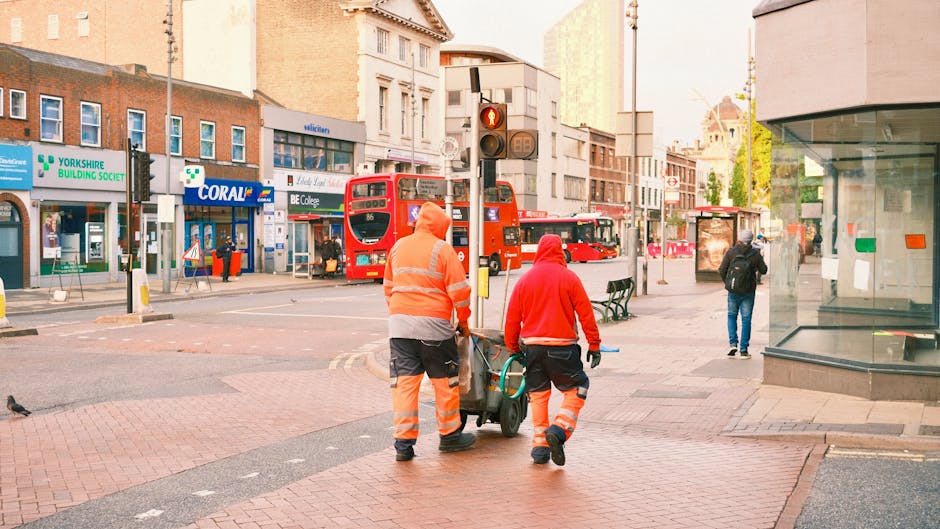
Guildford High Street guide to deep cleaning services
If you live, work, rent, or run a business around Guildford High Street, deep cleaning can make a bigger difference than a quick tidy ever will. Dust builds up in corners, grease settles where you least expect it, and busy entrances near shops and offices can start to look tired pretty quickly. This Guildford High Street guide to deep cleaning services explains what deep cleaning actually covers, how it works, what to look for in a provider, and how to avoid paying for the wrong kind of clean. Whether you need a one-off refresh, a pre-tenancy reset, or a proper reset after a hectic season, the aim here is simple: help you make a confident decision.
Truth be told, most people only notice the difference after the job is done. The room feels lighter, smells fresher, and suddenly the whole place looks like it has had a proper sleep. Nice, that.
Table of Contents
- Why deep cleaning matters on Guildford High Street
- How the service works
- Key benefits and practical advantages
- Who this is for and when it makes sense
- Step-by-step guidance
- Expert tips for better results
- Common mistakes to avoid
- Tools, resources and recommendations
- Law, compliance, standards and best practice
- Options, methods and comparison table
- Case study or real-world example
- Practical checklist
- Conclusion
- Frequently asked questions
Why Guildford High Street guide to deep cleaning services Matters
High streets work hard. That sounds obvious, but it matters. On Guildford High Street, foot traffic, deliveries, weather, food spills, and day-to-day use all leave a mark. Deep cleaning is not just about appearances; it helps reset a space that has picked up layers of use over time.
For homes near the High Street, the benefits are easy to understand. Hallways gather grit, kitchens collect grease, bathrooms lose their sparkle, and carpets can start to hold onto odours. For shops, salons, offices, and small commercial units, the challenge is different but related. Customers and staff notice cleanliness almost immediately, even if they do not say so out loud. A fresh entrance, clean flooring, and well-kept fixtures can quietly shape the whole experience.
Deep cleaning also fills the gap between regular maintenance and specialist one-off jobs. If you already use domestic cleaning support or office cleaning, you may still need a more intensive service now and then. Think of it as the deeper reset that regular cleaning cannot always achieve in one visit.
A lot of people wait until things feel embarrassing before booking. That is usually too late. The smarter move is to treat deep cleaning as routine care after busy periods, renovations, tenancy changes, or seasonal spikes. Much less stressful, and honestly easier on the budget in the long run.
How Guildford High Street guide to deep cleaning services Works
At its core, deep cleaning is a detailed, top-to-bottom clean of a property or selected areas. It focuses on the places standard cleaning may not reach often enough: behind appliances, inside edges, around taps, skirting boards, grout, under furniture, high-touch surfaces, and problem spots that need extra time and technique.
The exact process depends on the property. A flat above a High Street shop will need something different from a cafe, a shared office, or a family home. That flexibility is part of the point. A good cleaner should ask what is causing the problem, where the traffic is heaviest, and what the priority areas are. No two jobs are identical, even if the rooms look similar at first glance.
A typical deep clean may include:
- degreasing kitchen surfaces and appliances
- scrubbing bathroom fittings and tile lines
- dusting and wiping skirting boards, shelves, and ledges
- vacuuming and treating carpets or rugs
- cleaning doors, switches, handles, and other touchpoints
- polishing hard floors and removing built-up residue
- spot-cleaning upholstery or fabric areas where appropriate
- dealing with windows, frames, and accessible internal glass
Some jobs may also include specialist add-ons such as oven cleaning, carpet cleaning, upholstery cleaning, or window cleaning if those areas need more than a basic wipe-down.
The best services usually begin with a walkthrough or brief assessment. That lets the team prioritise time properly. Otherwise you get the classic problem: the bathroom sparkles, but the oven still smells like last month's roast. Not ideal.
Key Benefits and Practical Advantages
The obvious benefit is cleanliness, but there is a bit more to it than that. A deep clean changes how a property feels and functions.
1. A noticeably fresher space. Deep cleaning removes the low-level buildup that makes a room feel dull. You often see the change in natural light first: surfaces reflect better, floors look brighter, and corners stop looking shadowy.
2. Better presentation for visitors, tenants, staff, or customers. If you are preparing for guests, new occupants, or day-to-day business use, presentation matters. A clean setting suggests care, even before anyone reads a sign or speaks to a team member.
3. More effective maintenance. Once grime, grease, and dust have been removed, regular cleaning becomes easier. That means less effort each week and better long-term upkeep. Small win, but a real one.
4. Helpful support after specific events. Deep cleaning is especially useful after moving out, finishing a refurbishment, hosting a busy event, or getting a property ready for sale. In those cases, a standard clean often falls short.
5. Reduced wear on fixtures and surfaces. Dirt and residue can damage finishes over time. Regular deep cleaning helps protect flooring, worktops, bathrooms, and soft furnishings before buildup becomes a bigger issue.
6. Peace of mind. There is something oddly satisfying about knowing the less visible areas have been properly handled. Not glamorous, but reassuring.
If you need something broader than a one-off reset, it can also be useful to look at one-off cleaning or deep cleaning options that focus on detailed, intensive work rather than routine maintenance alone.
Who This Is For and When It Makes Sense
Deep cleaning is not only for people moving house, though that is a common reason. It suits anyone who has a property that looks clean on the surface but needs a more serious reset.
You may need it if you are:
- moving into a new place near Guildford High Street
- moving out and want the property left in stronger condition
- preparing a rental property for new tenants
- running a retail, hospitality, or office space with heavy footfall
- recovering after builders, decorators, or maintenance work
- catching up after a busy season, family event, or long stretch of neglect
- dealing with a home where cleaning has been uneven for a while
For landlords and letting agents, deep cleaning can help bridge the awkward gap between tenants. For residents, it can make a home feel manageable again. For businesses, it can reduce the impression that things are slipping, which, let's face it, nobody wants at street level.
If the property has just been renovated, an after builders cleaning service is often the better fit before or alongside deep cleaning. Dust from plaster, sanding, and debris behaves differently from ordinary household dirt, so it needs a slightly different approach.
And if the job is tied to a move, a proper end of tenancy cleaning package may be the more practical option because it is designed around the standards expected at handover.
Step-by-Step Guidance
If you have never booked this type of service before, the process is simpler than it might sound. Here is the usual sequence.
- Identify the real problem areas. Be specific. Is it grease in the kitchen, dust in hard-to-reach places, bathroom limescale, carpet marks, or a general whole-property refresh?
- Decide whether you need a full clean or targeted rooms only. Sometimes the best value is not the whole property. It may be a kitchen, bathroom, hallway, and main living area.
- Check which extras matter. If you need a carpet refresh, a fridge clean, or professional attention to an oven, note that early. It is easier to plan it in from the start.
- Ask what is included. That sounds basic, but it saves headaches. A deep clean should not leave you guessing about skirting boards, inside cupboards, or fixtures.
- Clear clutter before the visit if you can. The cleaner can work better when surfaces are accessible. If a room is packed with stuff, the clean becomes slower and less thorough.
- Prepare access and parking information. On or near Guildford High Street, logistics can matter. Limited parking or shared access can affect timing more than people expect.
- Walk through the result afterwards. Check the priority areas first. Bathrooms, kitchens, floors, and touchpoints are usually the most revealing.
A useful trick is to think in zones. Entrance, kitchen, bathroom, living space, sleeping area. That keeps the job focused. It also stops the "clean everything vaguely" problem, which is how appointments become disappointingly vague. Nobody needs that sort of surprise.
Expert Tips for Better Results
Good cleaning is partly technique and partly planning. These are the habits that make a real difference.
Prioritise what people actually see and touch. High-touch points like handles, switches, taps, banisters, and counters carry more everyday buildup than people realise. If time is limited, these areas deserve attention first.
Match the method to the material. Hardwood, stone, laminate, tile, leather, wool, and synthetic fabric all respond differently. Harsh products can strip finishes or leave residue. A proper cleaner should choose methods carefully, not just spray and hope.
Use specialist help where it genuinely helps. Floors, carpets, soft furnishings, and ovens are common examples. A deep clean may be more effective when paired with hard floor cleaning, rug cleaning, or oven cleaning depending on the property.
Do not hide problems. If there is staining, odour, mould-like residue, or damage, say so early. Even if it feels awkward. That helps set realistic expectations and prevents guesswork on the day.
Book with the season in mind. After winter, grime tends to show more. After spring and summer footfall, entrances and communal areas often need more attention. Small timing choices can make the service feel more effective.
Ask for a job that is proportionate. You do not always need every room hit with the same intensity. The best results are often targeted, not dramatic. A bit boring to say, but true.
In our experience, the cleanest-looking properties are not always the ones cleaned most often. They are usually the ones cleaned intelligently.
Common Mistakes to Avoid
People make a few predictable errors when arranging deep cleaning. Avoiding them can save money and frustration.
1. Assuming deep cleaning means the same thing everywhere. It does not. One company's "deep clean" may be another company's "enhanced clean." Always clarify what is included.
2. Booking too late. If you need the property ready for handover, guests, or opening day, last-minute bookings can make everything tighter than it needs to be.
3. Leaving all decluttering for the cleaners. They are there to clean, not sort three piles of paperwork and a drawer full of receipts. A little prep helps a lot.
4. Ignoring fragile or specialist surfaces. Natural stone, delicate finishes, and older fixtures need care. Heavy-handed methods can do more harm than good.
5. Not checking access details. On busy streets, access is not a minor point. It can affect how the team arrives, unloads, and works without interruptions.
6. Focusing only on price. Cheapest is not always best value, especially if the scope is unclear or if important areas are left out. Better to know what you are getting.
7. Forgetting the aftercare. Once the property is cleaned, the quickest way to undo it is to put clutter back immediately and skip simple upkeep. A good result deserves a little protection.
Tools, Resources and Recommendations
You do not need specialist equipment to prepare for a deep clean, but a few sensible tools can make the process smoother before and after the service.
- microfibre cloths for light maintenance between visits
- a decent vacuum cleaner with attachments for edges and corners
- gentle, surface-appropriate cleaning products
- a small basket for loose items that keep getting moved around
- bin bags or recycling bags for items you no longer need
- a checklist for rooms or zones that need attention
If the property also needs clearing out before cleaning begins, house clearance support can be helpful where clutter or unwanted items are blocking access. That is especially useful in long-unoccupied homes or spaces being prepared for new occupants.
For outdoor areas linked to a commercial frontage or residential entrance, you may also want to look at patio cleaning or facade cleaning if the external presentation matters too. A neat interior with a tired entrance is a bit like wearing a clean shirt with muddy shoes. You know?
Where wet weather, moss, or overflow is creating issues around the building, gutter cleaning can be part of a broader maintenance plan. It is not glamorous, but it stops a lot of avoidable mess.
Law, Compliance, Standards and Best Practice
For deep cleaning, the most important rule is simple: cleaning should be carried out safely, responsibly, and in line with the property type. There is not one single legal rule that defines every job, because domestic, commercial, and tenancy situations are different. That said, a trustworthy provider should still follow solid British best practice.
That usually includes:
- using suitable products for the surface being cleaned
- handling chemicals safely and keeping them away from food preparation where appropriate
- protecting workers, residents, customers, and visitors from avoidable hazards
- being clear about what is and is not included in the service
- working with reasonable care around fragile surfaces, electrics, and access points
If you are arranging cleaning for a workplace or shared premises, it is wise to think about health and safety expectations, waste handling, and safe access. For example, wet floors, cleaning cables, and occupied corridors need simple controls so people are not put at risk. Common sense, but worth stating.
It is also sensible to check whether the company has clear policies around health and safety and insurance and safety. Those pages help show how the business thinks about risk, working methods, and accountability. If anything goes wrong, that matters a great deal more than a flashy promise.
For customers with particular concerns around payments, it can be useful to review payment and security and the company's terms and conditions so expectations are clear before the job begins.
And if sustainability matters to you, especially for repeat bookings or larger sites, you may also want to look at the provider's approach to recycling and sustainability. Little choices add up.
Options, Methods, or Comparison Table
People often mix up standard cleaning, deep cleaning, and specialist add-ons. The table below keeps it simple.
| Service type | Best for | Typical focus | When to choose it |
|---|---|---|---|
| Standard domestic or office cleaning | Routine upkeep | Visible surfaces, general tidiness, basic hygiene | Weekly or regular maintenance |
| Deep cleaning | More intensive reset | Built-up dirt, hidden areas, detail work, fixtures | Seasonal refresh, move-in, move-out, post-event, neglected areas |
| Specialist cleaning add-ons | Specific problem areas | Carpets, rugs, upholstery, ovens, hard floors, windows | When one material or area needs targeted treatment |
| After builders cleaning | Post-renovation mess | Dust, debris, residue, construction-related marks | After building or decorating work |
If you are unsure which route to take, ask yourself one question: is the issue mostly regular dirt, or has the property accumulated more than a standard clean can reasonably handle? That answer usually points you in the right direction.
Case Study or Real-World Example
Imagine a small professional office close to Guildford High Street. Staff have been working through a busy quarter, visitors have been coming and going, and the kitchen area has started to look a bit flat. The carpets at the entrance are dull, the glass partitions have fingerprints, and the kitchenette has a faint lingering smell that nobody wants to talk about at 9 a.m.
The first instinct might be to book a quick tidy. But a quick tidy would only mask the issue. A better approach would be a targeted deep clean covering the entrance flooring, touchpoints, kitchen surfaces, internal windows, and shared areas. If the reception area also has tired mats or fabric chairs, pairing the visit with carpet cleaning or upholstery cleaning can make the whole place feel sharper.
After the clean, the team would likely notice the difference straight away. The office would smell cleaner, the light would bounce better off the glass, and the reception would feel more put together. No dramatic makeover. Just a proper reset.
That is usually the point of deep cleaning: not perfection, just a reliable return to a much better baseline.
Practical Checklist
Use this before you book or before the cleaners arrive.
- Identify the main problem areas by room or zone
- Decide whether you need a full property clean or a targeted service
- List any extras such as ovens, carpets, rugs, upholstery, or windows
- Remove obvious clutter and personal items where possible
- Make access instructions and parking details clear
- Check what is included in the quote or service description
- Confirm any fragile surfaces or special instructions
- Ask about health and safety, insurance, and payment terms
- Set a realistic time window for the work
- Review the result against your priority list when the job is finished
If you are dealing with a property that needs more than cleaning alone, it may also be worth considering one-off cleaning as part of the broader plan. It is a neat bridge between routine maintenance and a full reset.
Conclusion
Deep cleaning on or around Guildford High Street is about more than appearances. It helps homes feel liveable again, supports businesses that depend on first impressions, and gives rented or busy spaces a fresh starting point. The key is to choose the right scope, understand what is included, and focus on the areas that matter most in real life, not just on paper.
If you remember one thing from this guide, make it this: good deep cleaning is specific, careful, and tailored. The more clearly you define the problem, the better the result tends to be. Simple as that.
Get a free quote today and see how much you can save.
When a space feels properly clean, day-to-day life gets a little easier. And sometimes, that small lift is exactly what a busy Guildford property needs.
Frequently Asked Questions
What is included in deep cleaning services near Guildford High Street?
It usually includes detailed cleaning of kitchens, bathrooms, floors, touchpoints, skirting boards, and other neglected areas. Exact inclusions vary, so it is always worth checking the scope before booking.
How is deep cleaning different from regular cleaning?
Regular cleaning keeps things tidy and hygienic on an ongoing basis. Deep cleaning goes further by tackling built-up dirt, hidden spots, and more detailed work that is not always covered in routine visits.
Do I need deep cleaning before moving into a new property?
Often, yes. Even if a property looks clean, a move-in clean can remove dust, residue, and traces left behind by previous occupants. It gives you a cleaner starting point, which is reassuring.
Is deep cleaning useful for shops or offices on Guildford High Street?
Absolutely. High-traffic commercial spaces pick up dirt quickly, especially around entrances, kitchens, shared areas, and washrooms. A deep clean helps presentation and supports a better working environment.
How often should I book a deep clean?
That depends on how the property is used. Some people book seasonally, some after major events or tenancy changes, and others only when a space starts to feel tired. There is no single rule.
Can a deep clean include carpets or sofas?
Yes, if those services are arranged as part of the visit. In many cases, carpet cleaning, upholstery cleaning, or rug cleaning are added when fabric surfaces need more than vacuuming.
What should I do before the cleaners arrive?
Clear as much clutter as you can, note any fragile items, and make access easy. The less time spent moving personal belongings, the more time goes into proper cleaning.
Will deep cleaning remove all stains and odours?
Not always. Many stains and smells can be improved significantly, but results depend on the material, how long the issue has been present, and whether any damage has already occurred. Honest expectations are best.
How do I know if a quote is fair?
Look at what is included, not just the headline figure. A fair quote should be clear about scope, timing, and any extra services. If something seems too vague, ask questions before committing.
Do I need to worry about health and safety during a deep clean?
Yes, especially in workplaces or shared buildings. Wet floors, cleaning products, access routes, and fragile surfaces should all be handled carefully. A reputable provider should have sensible safety procedures in place.
Is deep cleaning the same as after builders cleaning?
No. They overlap, but after builders cleaning is specifically designed for dust, debris, and residue left after construction or decorating. Deep cleaning is broader and can be used in many other situations too.
What if I only need one room cleaned properly?
That can still be worthwhile. Kitchens, bathrooms, and entrance areas are common candidates for targeted work. Sometimes a focused clean in one room gives you the biggest visible improvement.